Syncope is also known as fainting or "passing out." It's a condition that causes a temporary loss of consciousness. There are many possible causes of syncope. But it's usually related to a short-term (temporary) decrease of blood flow to the brain. Some causes of fainting include non-life-threatening conditions such as dehydration, overheating, or excessive sweating. More serious conditions include blood flow obstructions and arrhythmias. Some medicines can also cause fainting. Unless your fainting is caused by a heart problem, you can do things to prevent it. And you can learn to respond to your body’s warning signs.
For your safety and the safety of others, limit your driving as instructed. Don't operate heavy machinery. Also be careful not to do activities that could cause injury if you lose consciousness. Ask your health care provider what activities are safe for you.
If you feel faint
-
Know the warning signs of fainting: weakness, nausea, dimmed vision, tunnel vision, sweating, feeling flushed or warm, dizziness, lightheadedness, or a fast heartbeat.
-
Don’t ignore or fight any signs that you may faint.
-
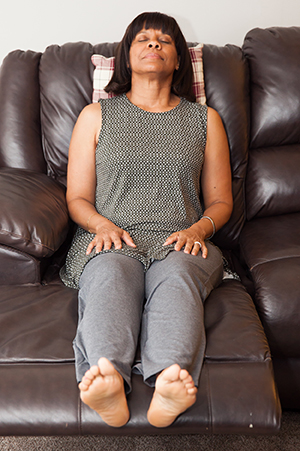
Lie down until you feel better and elevate your feet, if possible.
Small changes make a big difference
-
If you are in a conference, auditorium, or group setting such as a movie theater or play, sit near the aisle so you can leave if you feel faint.
-
Get up slowly after you have been lying down.
-
If prescribed, wear special stockings to keep blood from pooling in your legs.
-
If directed, add salt to your food to raise your blood pressure. Don’t skip meals.
-
Don’t stand for long periods of time. Shift your weight over your legs while standing. Shop when lines are short.
-
Don't lock your knees when you stand.
-
Drink water often, especially when exercising during hot weather.
-
Ask your health care provider if it is safe for you to drink alcohol, as this can cause syncope in some people.
-
Discuss any symptoms you may have with your health care provider to determine the cause.
The role of medicine
Medicines can sometimes play a role in both causing and preventing syncope.
Your medicines may be changed or reduced. Blood pressure medicine may cause fainting. Certain combinations of medicines may also make you faint. And some nonprescription medicines, herbs, and teas may cause symptoms, too. Tell your health care provider about any medicine you’re taking and if you started using any new ones recently.
Medicines may be prescribed. Taking certain medicines can help prevent fainting. Your health care provider can discuss these with you.
Don't use illegal or recreational drugs. These can worsen your risk factors or interfere with prescribed medicines that your health care provider has given you.
Online Medical Reviewer: Anne Clayton APRN
Online Medical Reviewer: Stacey Wojcik MBA BSN RN
Online Medical Reviewer: Steven Kang MD
Date Last Reviewed: 01/01/2025
© 2000-2026 The StayWell Company, LLC. All rights reserved. This information is not intended as a substitute for professional medical care. Always follow your healthcare professional's instructions.
Learn More About Health Services at PIH Health
Expert care for every stage of life. Explore the comprehensive services offered at PIH Health.
Explore Services
Get Health Tips & Updates
Sign up for helpful health information, wellness tips and news from PIH Health, delivered straight to your inbox.
SubscribeRelated Articles
Confusion
Confusion is a change in a person’s ability to think clearly. Confusion is usually a sign of an underlying problem.
What Is GERD?
If you often have a painful burning feeling in your chest after you eat, you may have GERD (gastroesophageal reflux disease).
Understanding Replacement of an Implantable Heart Device
This procedure replaces a pacemaker or an ICD that is running low on battery power. The surgery is usually done as an outpatient procedure. You can go home the same day.
Understanding Dupuytren Contracture
Dupuytren contracture is a disease that can lead to limited use of your hand. While it often doesn't cause pain, it can make it hard to straighten your fingers. Learn about causes, symptoms, and treatment.
Personalized Care Starts with the Right Provider
Search by specialty, location, and more.
Find A Doctor
Make an Appointment
Your health can't always wait. Schedule an appointment with a PIH Health provider.
Schedule an Appointment
Find a PIH Health Urgent Care Location
Need care today?. Find the nearest PIH Health Urgent Care location.
Find Urgent Care