Lice are small insects that feed on human blood. They attach themselves to hair. Those that infest hair in the groin area are called pubic lice. They are also called crabs. These lice can also infest coarse hair on other parts of the body, such as a beard, the armpits, and the chest. They can also sometimes be found on eyebrows and eyelashes.
What causes pubic lice?
Pubic lice are spread from person to person during sexual contact. You may also get them if you touch the personal items of someone with lice. Such items include bedding or clothing.
Symptoms of pubic lice
Itching is the main symptom of pubic lice. If you scratch the infested area too much, the skin can become irritated and sore. You may also see visible lice eggs or crawling lice in the infested hair. They look like brown, yellow, or gray specks. People who have lice for a while may develop blue-gray spots on their skin.
Treatment for pubic lice
Pubic lice can be treated. Treatment includes:
-
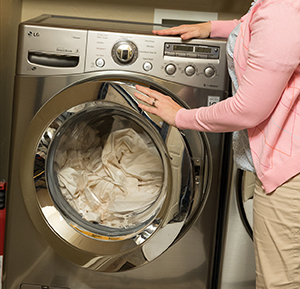
Sanitary measures. Wash all clothing, bedding, towels, and other personal items in hot water. The water should be at least 130°F (59.4°C). This will kill the pubic lice. After washing, dry the items in the dryer on the hottest setting. You can also dry-clean the items, if needed. If you can't wash or dry-clean an item, put it in a sealed plastic bag for 2 weeks.
-
Medicine. Over-the-counter lotions can kill the lice. Prescription medicines are also available if needed.
-
Physical removal. After using medicine, you can remove any remaining lice. A fine-toothed comb or tweezers may help.
Other steps for pubic lice
-
Tell all sexual partners that you have pubic lice to stop the spread of lice to other people.
-
Do not share bedding, clothing, or towels used by a person infected by pubic lice.
-
Have your doctor check you for other sexually transmitted infections.
When to contact your doctor
Contact your doctor or get medical care right away if you have:
-
A fever of 100.4°F (38°C) or higher, or as directed by your doctor.
-
Pain that gets worse.
-
Symptoms that don’t get better, or get worse.
-
New symptoms.
Author: Semko, Laura
Online Medical Reviewer: Maryann Foley
Online Medical Reviewer: Michael Lehrer MD
Online Medical Reviewer: Rita Sather RN
Date Last Reviewed: 06/01/2025
© 2000-2026 The StayWell Company, LLC. All rights reserved. This information is not intended as a substitute for professional medical care. Always follow your healthcare professional's instructions.
Learn More About Health Services at PIH Health
Expert care for every stage of life. Explore the comprehensive services offered at PIH Health.
Explore Services
Get Health Tips & Updates
Sign up for helpful health information, wellness tips and news from PIH Health, delivered straight to your inbox.
SubscribeRelated Articles
Keratosis Pilaris (KP)
Detailed information on keratosis pilaris, including symptoms, diagnosis, and treatment.
Chemical Burn of the Skin
Your skin has been burned by a chemical. Read on to learn how to care for your burn.
Athlete’s Foot
Athlete's foot is caused by a fungal infection in the skin. It affects the skin between the toes, causing fissures (cracks in the skin). It can also affect the bottom of the foot where it causes dry white scales and peeling of the skin. Learn about caring for this condition.
Understanding Impetigo
Impetigo is a skin infection. It's most common in children. Read on to learn more.
Personalized Care Starts with the Right Provider
Search by specialty, location, and more.
Find A Doctor
Make an Appointment
Your health can't always wait. Schedule an appointment with a PIH Health provider.
Schedule an Appointment
Find a PIH Health Urgent Care Location
Need care today?. Find the nearest PIH Health Urgent Care location.
Find Urgent Care