There's no cure for rosacea. But rosacea can be controlled in most cases, particularly with self-care and medical treatment to manage your symptoms.
Your healthcare provider may prescribe 1 or more treatments to put on your skin each day. You may also be given medicines to take by mouth if you have more severe rosacea symptoms. To ease rosacea eye symptoms, you may need prescription eye drops. Stay away from things that can easily cause your rosacea to flare up. These include spicy foods, alcohol, getting embarrassed, and going from a cold environment to a warm environment.
You may have surgery to fix the more severe forms of rosacea that affect the nose. This is an enlarged, bumpy nose. It's most often seen in men.
Your role in medical treatment
How well your treatment works depends partly on you. Follow your healthcare provider’s treatment plan. Rosacea symptoms often get better with medicines. But they tend to get worse again if you stop taking the medicines. If your symptoms continue or get worse, ask about other treatment choices, including combinations of treatments.
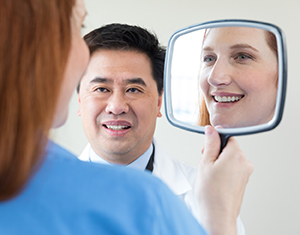
Rosacea self-care
Besides sticking with your treatment plan, follow these skin care tips:
-
Wash your face 2 times a day with a gentle facial cleanser. Rinse your skin well with warm (not hot) water. Pat your skin dry with a cotton towel.
-
Don’t scrub your skin or use sponges, brushes, or other abrasive tools. Doing so can irritate your skin.
-
Don't use harsh scrubs or astringents. These products can irritate your skin.
-
If you shave your face, use an electric razor.
-
Apply sunscreen with at least SPF 30 or more every day. Sun exposure can make rosacea symptoms worse.
-
Choose skin care products and cosmetics that don't irritate the skin, and are oil-free and fragrance-free. If your rosacea tends to include pimples, look for the word noncomedogenic on your products.
-
Don't put steroids on the skin sores. Steroids may make rosacea worse.
To learn more
Learning about rosacea and treating it early is the first step to controlling this disease. With the correct treatment and self-care, you can manage your symptoms and feel better about your skin. For more information, visit the National Rosacea Society at www.rosacea.org.
What causes rosacea flare-ups?
It’s often hard to find the exact cause of rosacea flare-ups. Different people can be affected by different triggers. Common triggers include:
-
Weather extremes
-
Sun exposure
-
Alcohol, caffeine, or hot drinks
-
Spicy food
-
Strenuous physical exertion
-
Stress
-
Illness
-
Some skin products
-
Medicines
To prevent flare-ups, keep a list of things that seem to make your rosacea worse. Try to stay away from them. If you have trouble controlling flare-ups, check with your provider.
Online Medical Reviewer: Chris Southard RN
Online Medical Reviewer: Rita Sather RN
Online Medical Reviewer: Ronald Karlin MD
Date Last Reviewed: 03/01/2024
© 2000-2026 The StayWell Company, LLC. All rights reserved. This information is not intended as a substitute for professional medical care. Always follow your healthcare professional's instructions.
Learn More About Health Services at PIH Health
Expert care for every stage of life. Explore the comprehensive services offered at PIH Health.
Explore Services
Get Health Tips & Updates
Sign up for helpful health information, wellness tips and news from PIH Health, delivered straight to your inbox.
SubscribeRelated Articles
Detached Fingernail or Toenail
A detached nail means that the nail becomes separated from the area underneath it (the nail bed). This often means losing all or part of the nail. Here's how to care for yourself at home.
Fishhook Removed
A fishhook has been removed from under your skin. This area may be sore for the next 1 to 2 days. Because this was a dirty puncture-type wound, the risk of infection is higher than normal.
Laceration: Infected Repair
A laceration is a cut through the skin. A cut that has been closed with stitches can become infected, especially if the wound was dirty. Antibiotics may be used to treat the infection.
Self-Care for Cuts, Scrapes, and Burns
Cuts, scrapes, and burns are hard to prevent. Learn how to care for them and when to contact your doctor.
Personalized Care Starts with the Right Provider
Search by specialty, location, and more.
Find A Doctor
Make an Appointment
Your health can't always wait. Schedule an appointment with a PIH Health provider.
Schedule an Appointment
Find a PIH Health Urgent Care Location
Need care today?. Find the nearest PIH Health Urgent Care location.
Find Urgent Care