Most people with heart problems need to eat less salt (sodium). Reducing the amount of salt you eat may help control your blood pressure. The higher your blood pressure, the greater your risk for heart disease, stroke, blindness, and kidney problems.
At the store
-
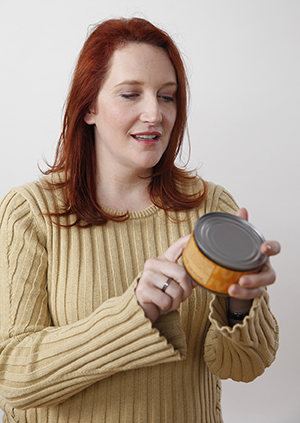
Make low-salt choices by reading labels carefully. Look for the total amount of sodium per serving.
-
Use more fresh food. Buy more fruits and vegetables. Select lean meats, fish, and poultry.
-
Use fewer frozen, canned, and packaged foods, which often contain a lot of sodium.
-
Use plain frozen vegetables without sauces or toppings. These products are often low-sodium or no-sodium.
-
Choose reduced-sodium or no-salt-added versions of condiments, canned vegetables, broths, and soups.
-
Choose unsalted nuts and seeds.
In the kitchen
-
Don't add salt to food when you're cooking. Season with flavorings like spices, herbs, vinegar, onion, garlic, pepper, salt-free herbal blends, and lemon or lime juice.
-
Use a cookbook that has low-salt recipes. It can give you ideas for tasty meals that are healthy for your heart.
-
Sprinkle spices, herbs, or salt-free herbal blends on vegetables and meat.
-
Drain and rinse canned foods, such as canned beans and vegetables, before you cook or eat them.
-
Remove the salt shaker from the table.
Eating out
-
Tell the waiter you're on a low-salt diet. Ask questions about the menu.
-
Order fish, chicken, and meat broiled, baked, poached, or grilled without salt, butter, or breading.
-
Use lemon, pepper, and salt-free herb mixes to add flavor.
-
Choose plain steamed vegetables, rice, boiled noodles, and baked or boiled potatoes. Top potatoes with chives and a little sour cream.
Reading food labels to limit salt
Beware! Salt goes by many other names. Limit foods with these words listed as ingredients: salt, sodium, soy sauce, baking soda, baking powder, MSG, monosodium, and Na (the chemical symbol for sodium). Some antacids are also high in salt.
Online Medical Reviewer: Brittany Poulson MDA RDN CD CDE
Online Medical Reviewer: Daphne Pierce-Smith RN MSN
Online Medical Reviewer: Sravani Chintapalli Researcher
Date Last Reviewed: 05/01/2025
© 2000-2026 The StayWell Company, LLC. All rights reserved. This information is not intended as a substitute for professional medical care. Always follow your healthcare professional's instructions.
Learn More About Health Services at PIH Health
Expert care for every stage of life. Explore the comprehensive services offered at PIH Health.
Explore Services
Get Health Tips & Updates
Sign up for helpful health information, wellness tips and news from PIH Health, delivered straight to your inbox.
SubscribeRelated Articles
Eating an Anti-Inflammatory Diet
This diet involves choosing a healthy variety of foods. It focuses on foods that may help reduce chronic (long-lasting) inflammation, such as fruits, vegetables, and whole grains.
Adding Flavor to Low-Fat Meals
There are endless ways to add more variety and flavor to your diet, without using salt or high-fat ingredients.
Daily Food Plan Worksheet: 1,200 Calories
Your calorie needs are about 1,200 calories a day. These are the U.S. Department of Agriculture (USDA) guidelines for your daily recommended amount of each food group.
Nutrition and the New Food Pyramid: Whole Grains
Grains make up foods such as bread, pasta, rice, cereal, and tortillas. Grains are also known as starches. Choose whole grains instead of refined grains. Whole grains provide iron, magnesium, B vitamins, and other nutrients the body needs to function.

Personalized Care Starts with the Right Provider
Search by specialty, location, and more.
Find A Doctor
Make an Appointment
Your health can't always wait. Schedule an appointment with a PIH Health provider.
Schedule an Appointment
Find a PIH Health Urgent Care Location
Need care today?. Find the nearest PIH Health Urgent Care location.
Find Urgent Care