Fat is an important part of a healthy eating pattern. Your body needs some fat for energy and to absorb certain vitamins. But the type of fat you choose matters. Choosing unsaturated fats more often and limiting saturated and trans fats can help support health.
Choose unsaturated fats more often
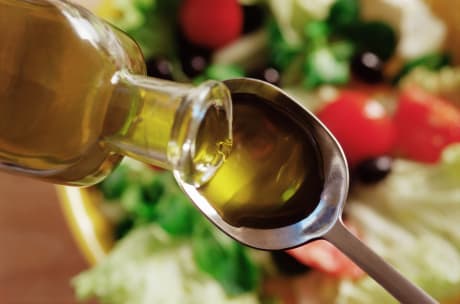
- Unsaturated fats are generally healthier choices and can be used more often when adding fat to foods.
- Unsaturated fats come from plants. They include olive, canola, peanut, corn, avocado, safflower, and sunflower oils.
Limit saturated fats
- Try to limit saturated fat. It raises your blood cholesterol levels.
- Most saturated fat comes from animal-based foods. Foods such as butter, lard, cheese, cream, whole milk, and fatty cuts of meat are high in saturated fat.
- Some oils are also saturated fats. These include palm and coconut oils.
Avoid trans fats
- Avoid trans fat as much as possible. Trans fat occurs naturally in some animal-based foods, such as whole-milk dairy, butter, and meat.
Other ways to add flavor
- Sprinkle herbs on fish, chicken, and meat, and in soups.
- Try herbs, lemon juice, or flavored vinegar on vegetables.
- Add chopped onions, garlic, and peppers to flavor beans and rice.
- Try the following ways to cook lean meats, fish, or poultry: bake, broil, roast, stew, or stir-fry.
Online Medical Reviewer: Brittany Poulson MDA RDN CD CDE
Online Medical Reviewer: Diane Horowitz MD
Online Medical Reviewer: Heather M Trevino BSN RNC
Date Last Reviewed: 04/01/2025
© 2000-2026 The StayWell Company, LLC. All rights reserved. This information is not intended as a substitute for professional medical care. Always follow your healthcare professional's instructions.
Learn More About Health Services at PIH Health
Expert care for every stage of life. Explore the comprehensive services offered at PIH Health.
Explore Services
Get Health Tips & Updates
Sign up for helpful health information, wellness tips and news from PIH Health, delivered straight to your inbox.
SubscribeRelated Articles
Medical Nutrition Therapy for Weight Loss
Medical nutrition therapy is a type of treatment for people who are at a weight that is higher than what is healthy for them. It's also for people with certain health conditions. During treatment, you'll work with a registered dietitian to make a nutrition plan just for you.
Discharge Instructions: Eating a High-Potassium Diet
People with low blood levels of potassium and those with high blood pressure may be prescribed a high-potassium diet. This sheet can get you started.
Ileostomy: Nutritional Management
You don't have to eat a special diet just because you've had an ileostomy. Most foods, chewed well and eaten slowly, won't give you problems, unless they did before. But you may need to be more aware of foods that make your stool more watery than normal and foods that cause gas or odor. You also need plenty of fluids and vitamins.
Low-Salt Choices
Here are some ideas for low-salt foods you can easily prepare yourself.
Personalized Care Starts with the Right Provider
Search by specialty, location, and more.
Find A Doctor
Make an Appointment
Your health can't always wait. Schedule an appointment with a PIH Health provider.
Schedule an Appointment
Find a PIH Health Urgent Care Location
Need care today?. Find the nearest PIH Health Urgent Care location.
Find Urgent Care