Lice are very tiny insects. They like to live in hair, so they are often called "head lice." An infection with head lice is very common in school-age children. But anyone can get lice. Head lice don't live on pets. They can't jump, fly, or walk on the ground. They easily pass from child to child through close, head-to-head contact. They spread less easily from clothes, bed linens, brushes and combs, hats, and toys. Having head lice is not dangerous, but it can be hard to treat sometimes. They should be treated right away to stop infection from spreading.
Symptoms of head lice
Lice are small and fast-moving. They are hard to see. Head lice lay eggs, called nits. Nits are very small, silvery white, and teardrop-shaped. They often can be found stuck to the hair near the scalp, behind the ears, and at the hairline on the back of the neck. Other signs of head lice may include:
-
Itching of the scalp and scalp soreness.
-
A tickling feeling of something moving through the hair.
-
Sores on the scalp caused by scratching.
-
Swollen glands at the back of the neck caused by infected bites.
Treating head lice
-
Ask your health care provider or pharmacist to recommend a shampoo, cream, or lotion to treat head lice. Follow the instructions on the product.
-
Comb the nits out of your child’s hair with a special comb that comes with the product. Or your provider or pharmacist may recommend one.
-
After a week, check your child for more nits. It may take a week for itching to stop. Follow the product’s directions and ask your provider if you need to repeat treatment.
-
Check other household members for lice.
-
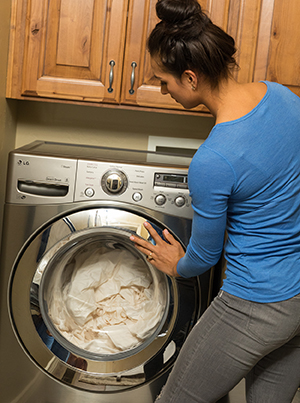
Wash your child’s towels, clothing, bed linens, cloth toys, and other personal items in hot soapy water. Dry them on high heat.
-
Wash all the child’s combs and brushes in very hot, soapy water.
-
For items that can’t be washed, seal them in plastic bags for 2 weeks.
-
Vacuum floors and furniture. Throw the vacuum bag away afterward.
-
Tell your child’s school and caregivers so that other children can be checked.
-
Keep your child home from daycare or school until after treatment for lice has been started.
-
Don't spray your house with chemicals or pesticides. These don't help and can be dangerous to your family’s health.
When to call the doctor
Don't treat your child for head lice unless you are sure your child has them. Lice are insects, so most products to get rid of them have pesticides in them. Don't expose your child to these chemicals unless it's necessary. They can cause skin and eye irritation. Call your child’s health care provider if:
-
You’re not sure whether your child has lice.
-
Your child is younger than age 2.
-
Treatment doesn’t get rid of the lice.
-
Your child has infected sores that get worse or don’t heal.
-
Your child is itchy or scratching in areas other than the scalp.
-
You have questions about your child’s illness or treatment.
Prevention
To help prevent the spread of head lice:
-
Teach your children not to share brushes, hats, and clothes with other children.
-
Have your child avoid physical contact with anyone who has head lice until after the person has been treated.
-
Check your child when they have come in close contact with a person infected with lice.
Online Medical Reviewer: Daphne Pierce-Smith RN MSN
Online Medical Reviewer: Michael Lehrer MD
Online Medical Reviewer: Rita Sather RN
Date Last Reviewed: 02/01/2025
© 2000-2026 The StayWell Company, LLC. All rights reserved. This information is not intended as a substitute for professional medical care. Always follow your healthcare professional's instructions.
Learn More About Health Services at PIH Health
Expert care for every stage of life. Explore the comprehensive services offered at PIH Health.
Explore Services
Get Health Tips & Updates
Sign up for helpful health information, wellness tips and news from PIH Health, delivered straight to your inbox.
SubscribeRelated Articles
Seborrheic Dermatitis
Here is detailed information on seborrheic dermatitis, including symptoms, diagnosis, and treatment.
Periorbital Cellulitis
Periorbital cellulitis is an infection of the tissues around the eye. It's most often caused by an infected scratch or insect bite. Sometimes it's caused by a sinus infection. Learn how to care for this condition at home, and when you should call your healthcare provider.
Psoriasis
Psoriasis is an inflammatory condition that affects the skin and nails. Learn how to care for this condition at home.
Benign Skin Growths in Children
Detailed information on benign skin growths in children, including dermatofibromas, dermoid cyst, freckles, keloids, lipomas, moles, atypical moles, and pyogenic granulomas.
Personalized Care Starts with the Right Provider
Search by specialty, location, and more.
Find A Doctor
Make an Appointment
Your health can't always wait. Schedule an appointment with a PIH Health provider.
Schedule an Appointment
Find a PIH Health Urgent Care Location
Need care today?. Find the nearest PIH Health Urgent Care location.
Find Urgent Care