Diarrhea happens when you have loose, watery, or frequent bowel movements. It's a common problem with many causes. Most cases of diarrhea clear up on their own. But certain cases may need treatment. Be sure to see your health care provider if your symptoms don't get better in a few days.
Getting relief
Treatment of diarrhea depends on its cause. If it's caused by bacterial or parasite infection, it's often treated with antibiotics. Diarrhea from other causes, such as a stomach virus, often improves with simple home treatment. The tips below may help ease your symptoms.
-
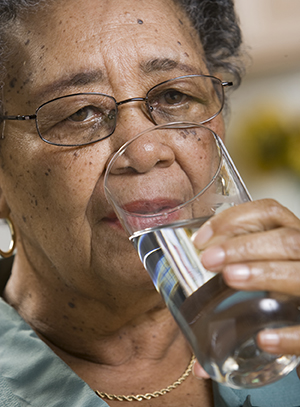
Drink plenty of fluids. This helps prevent too much fluid loss (dehydration). The fluids should contain water, salt, and sugar. Oral rehydration solution (ORS), a mixture of glucose and sodium, works best. You can buy it without a prescription.
-
Don't have drinks with caffeine. Don't drink alcohol, coffee, tea, or milk. These can irritate your intestines and make symptoms worse.
-
Avoid fruits and vegetables that can cause gas. These include broccoli, peppers, beans, peas, berries, prunes, chickpeas, green leafy vegetables, and corn.
-
Don't drink fruit juices or liquids that are high in sugar.
-
Suck on ice chips first if drinking fluids makes you queasy.
-
Eat more starchy foods like rice, cereal, and crackers. Don't eat red foods. They might look like blood in diarrhea.
-
Return to your normal diet slowly. You may want to eat bland foods at first, such as rice and toast. You may need to stay away from certain foods for a while, such as dairy products. These can make symptoms worse. Ask your health care provider if there are any other foods you should stay away from.
-
If your doctor prescribed antibiotics, take them as directed. Don't stop taking them just because you feel better. You need to take the full course of antibiotics.
-
Don't take anti-diarrhea medicines without asking your provider first.
-
Keep in mind that you may be infectious. Wash your hands often with soap and clean, running water. Or use an alcohol-based sanitizer that contains at least 60% alcohol.
Call your health care provider
Call your provider right away if:
-
You have chills or a fever of
100.4 °F (38.0 °C) or higher, or as directed by your provider. -
You have severe pain.
-
You have worsening diarrhea or diarrhea for more than 2 days.
-
Your vomit or stool has blood in it.
-
You have symptoms of dehydration (dizziness, dry mouth and tongue, rapid pulse, dark urine).
Online Medical Reviewer: Daphne Pierce-Smith RN MSN
Online Medical Reviewer: Lalitha Kadali Researcher
Online Medical Reviewer: Melinda Murray Ratini DO
Date Last Reviewed: 03/30/2014
© 2000-2026 The StayWell Company, LLC. All rights reserved. This information is not intended as a substitute for professional medical care. Always follow your healthcare professional's instructions.
Learn More About Health Services at PIH Health
Expert care for every stage of life. Explore the comprehensive services offered at PIH Health.
Explore Services
Get Health Tips & Updates
Sign up for helpful health information, wellness tips and news from PIH Health, delivered straight to your inbox.
SubscribeRelated Articles
Treating Dysphagia
After a medical evaluation to find the cause of your dysphagia, your healthcare provider will create a treatment plan for you. You may need to take medicines. In some cases, your provider may suggest an esophageal dilation or surgery.
Hernia Repair Surgery
A hernia won't heal on its own. You'll need surgery to fix the defect in the abdominal wall. Read on to learn what to expect before, during, and after surgery.
Understanding Fecal Transplant
Fecal transplant is used for treat an infection in the large bowel (colon) caused by C. diff bacteria.
Health Care Providers in Digestive Health
The right specialist or health care team can help you manage long-term or chronic digestive conditions, such as GERD, irritable bowel syndrome, colitis, and Crohn's disease.

Personalized Care Starts with the Right Provider
Search by specialty, location, and more.
Find A Doctor
Make an Appointment
Your health can't always wait. Schedule an appointment with a PIH Health provider.
Schedule an Appointment
Find a PIH Health Urgent Care Location
Need care today?. Find the nearest PIH Health Urgent Care location.
Find Urgent Care