Types
Epidural Abscess
What is an epidural abscess?
An epidural abscess is an infection that forms in the space between your skull bones and your brain lining (intracranial epidural abscess). Quite often, it forms in the space between the bones of your spine and the lining membrane of your spinal cord (spinal epidural abscess). Or it can form in the lumbar spine.
An epidural abscess results in a pocket of pus that builds up and causes swelling. It can press against your bones and the membranes that protect your spinal cord and your brain (meninges). This swelling and the underlying infection can affect sensations and physical movement. It can also cause other problems. An epidural abscess needs to be treated right away.
What causes an epidural abscess?
Typically, an epidural abscess is caused by a Staphylococcus aureus bacterial infection. It could also result from a fungus or other germ circulating in your body. Much of the time, healthcare providers can't find the exact cause of the infection.
Who is at risk for epidural abscess?
You may be more likely to develop an epidural abscess inside your skull if you:
-
Suffer from lasting sinus or ear infections
-
Had an injury to your head
You're more likely to develop an epidural abscess on your spine if you:
-
Have an infection in the bones of your spine
-
Have an infection in your blood
-
Had surgery on your back
What are the symptoms of an epidural abscess?
The symptoms of an epidural abscess depend on the location of the abscess. An epidural abscess may cause these symptoms:
-
Headache
-
Disturbed consciousness
-
Fever
-
Unusual sensation throughout your body
-
Problems with coordination and movement
-
Trouble walking
-
General weakness of the muscles in both the arms and legs that gets worse
-
Being unable to move your legs or arms (paralysis)
-
Pain in your neck or back
-
Inability to control your bowels or bladder
-
Feeling nauseated or vomiting
-
Feeling very tired and sluggish
How is an epidural abscess diagnosed?
A healthcare provider will ask about your medical history and symptoms. You may need:
-
A nervous system exam to look for changes in motor and sensory function, vision, coordination and balance, mental status, and mood or behavior
-
An MRI scan
-
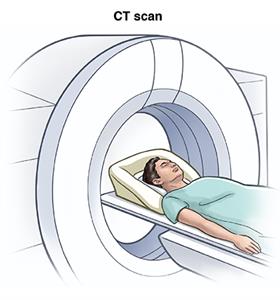
A CT scan
-
Tests of a fluid sample from the abscessed area to find the cause of the infection
-
Blood tests to look for germs and other signs of infection
How is an epidural abscess treated?
Typically, your healthcare provider will give you antibiotics to fight the infection that caused the abscess. A surgeon may need to drain the fluid from the abscess with a needle to help relieve the pressure. Sometimes, your surgeon may remove it entirely. You will most likely need surgery to drain or remove the abscess if you have:
-
Trouble moving or can't move at all
-
Sensation problems, such as numbness somewhere in your body
What are possible complications of an epidural abscess?
Without treatment, serious complications can occur, such as:
-
Meningitis, an infection of your meninges
-
Abscess of your spinal cord itself
-
Infection inside your spine or skull bones
-
Long-term back pain
-
Irreversible damage to your brain or nervous system, including paralysis
Once damage to your nervous system has occurred, it can be hard to restore normal nervous system function. An untreated epidural abscess can be very dangerous. It may result in death.
Key points about epidural abscess
-
An epidural abscess is an infection inside your skull or near your spine. It needs treatment right away.
-
Symptoms can include headache, fever, vomiting, weakness, trouble moving or walking, and loss of bladder or bowel control. You may also have changes in consciousness and sensation.
-
Treatment is with strong antibiotics. Surgery might be needed to drain the fluid from your abscess or to remove it completely.
Next steps
Tips to help you get the most from a visit to your healthcare provider:
-
Know the reason for your visit and what you want to happen.
-
Before your visit, write down questions you want answered.
-
Bring someone with you to help you ask questions and remember what your provider tells you.
-
At the visit, write down the name of a new diagnosis and any new medicines, treatments, or tests. Also write down any new instructions your provider gives you.
-
Know why a new medicine or treatment is prescribed and how it will help you. Also know what the side effects are.
-
Ask if your condition can be treated in other ways.
-
Know why a test or procedure is recommended and what the results could mean.
-
Know what to expect if you do not take the medicine or have the test or procedure.
-
If you have a follow-up appointment, write down the date, time, and purpose for that visit.
-
Know how you can contact your healthcare provider if you have questions, especially after office hours or on weekends.
Online Medical Reviewer: Joseph Campellone MD
Online Medical Reviewer: Raymond Kent Turley BSN MSN RN
Date Last Reviewed: 09/01/2025
© 2000-2026 The StayWell Company, LLC. All rights reserved. This information is not intended as a substitute for professional medical care. Always follow your healthcare professional's instructions.
Learn More About Health Services at PIH Health
Expert care for every stage of life. Explore the comprehensive services offered at PIH Health.
Explore Services
Get Health Tips & Updates
Sign up for helpful health information, wellness tips and news from PIH Health, delivered straight to your inbox.
SubscribeRelated Articles
Encephalitis
Encephalitis is a viral infection of the brain. It may cause headache, stiff neck, irritability, fever, drowsiness, nausea and vomiting.
Ependymoma
Ependymoma is a rare type of tumor of the brain or spinal cord. It can happen in both children and adults. In children, these tumors tend to be in the brain. In adults, they are often in the spinal cord.
Bell's Palsy
Bell's palsy is weakness or paralysis of the muscles of the face. Learn more about this condition, including cause, symptoms, diagnosis, and treatment.
Understanding Trigeminal Neuralgia
Trigeminal neuralgia is a type of nerve pain that affects your face. You may feel a strong burst of pain in part of your face.

Personalized Care Starts with the Right Provider
Search by specialty, location, and more.
Find A Doctor
Make an Appointment
Your health can't always wait. Schedule an appointment with a PIH Health provider.
Schedule an Appointment
Find a PIH Health Urgent Care Location
Need care today?. Find the nearest PIH Health Urgent Care location.
Find Urgent Care